Our science
Misetionamide inhibits MYC
— the grand orchestrator of cancer growth.*
MYC drives multiple signalling pathways in cancer, coordinating proliferation, energy metabolism, protein synthesis, and immune evasion. Misetionamide binds MYC directly, destabilizes it, and drives its degradation.
*Dhanasekaran R, Deutzmann A, Mahauad-Fernandez WD, Hansen AS, Gouw AM, Felsher DW. Nature Reviews Clinical Oncology 2022;19(1):23–36. Dean W. Felsher, MD, PhD, Stanford University.
Mechanism of action
Novel, proprietary mechanism of action
Misetionamide is a tumor cell selective, broadly active small molecule that inhibits MYC. Degrading MYC collapses the transcriptional program that sustains the tumor’s energy metabolism, restricting cancer cell growth and proliferation.
Misetionamide — a direct MYC transcription factor inhibitor
Why MYC
MYC drives multiple pathways for tumor growth
MYC is a master transcription factor. In cancer it is stuck on — driving relentless proliferation, aerobic glycolysis, and metastatic spread. MYC is overexpressed in many cancers, and even where the gene is not amplified, MYC protein still runs the tumor’s growth program. High MYC activity is a dominant feature of certain tumor types, especially ovarian and pancreatic cancers.
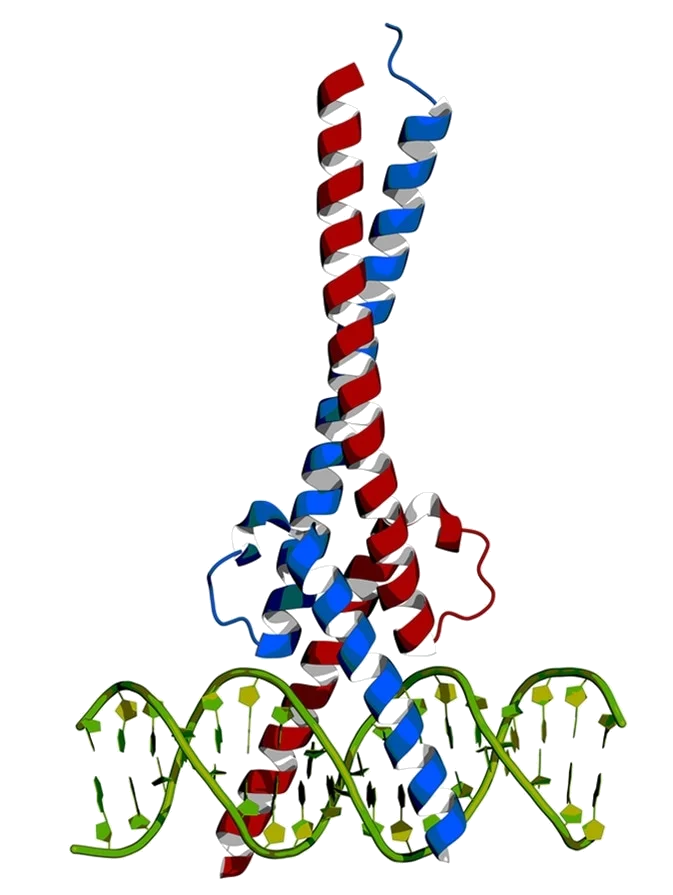
MYC, the “undruggable” problem
For decades MYC has been considered undruggable. It is an intrinsically disordered protein with no deep hydrophobic pocket for a small molecule drug to grip, and is located in the nucleus of cancer cells, out of reach of antibody therapies.
Why misetionamide is different
Misetionamide binds the MYC transcription factor directly and destabilizes it, so the cell’s own disposal machinery breaks down the protein. Ultimately, less MYC protein in cancer cells means the tumor’s growth program loses its “orchestrator.”
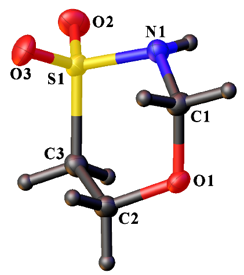
Target engagement
Dose-dependent MYC inhibition confirmed
Target engagement was measured both in a cell-free system and inside tumor cells. Misetionamide inhibited the binding of recombinant MYC as well as MYC from pancreatic cancer cells to target DNA by more than 75% at 1,000 µM. Target engagement inside misetionamide-treated cells was demonstrated by the dose-dependent modification of the MYC protein by phosphorylation at Thr58, ubiquitination and proteasomal degradation. These data confirm target engagement in tumor cells at clinically achievable concentrations.
Recombinant and cellular MYC binding to DNA
Recombinant MYC binding to DNA
Cell-free assay: misetionamide inhibits MYC–DNA binding dose-dependently from 250–1,000 µM.
Cellular MYC binding to DNA
Cell-free assay: DNA binding of nuclear MYC isolated from untreated pancreatic tumor cells was dose-dependently inhibited by misetionamide from 250–1,000 µM.
Values are means ± SD of three independent experiments. *** p<0.001 versus untreated control. Source: Bochum Laboratory.
So what?
Inhibition of MYC activity results in tumor regression
Misetionamide reduces MYC expression in cancer cells, causing tumor regression in numerous in vitro and in vivo preclinical models including human xenografts. Synergistic anti-tumor effects were observed in combination with cytotoxic and targeted anti-cancer drugs.1
1 Data on file with company.
Importantly
Normal cells are not MYC-dependent. Cancer cells are.
In normal cells MYC is down-regulated, and energy is generated through oxidative phosphorylation. Tumor cells are addicted to sustained MYC activity and to the glycolytic metabolism it installs. That dependency gap is the therapeutic window: misetionamide, devastating to a MYC-addicted tumor cell, is tolerated by the normal cells within the dose range used.
Differentiators
What sets misetionamide apart
Direct MYC target engagement
Dose-dependent inhibition of MYC–DNA binding in a cell-free assay and of nuclear MYC protein modification inside pancreatic tumor cells.
Cancer cell selective — normal cells not affected
Tumor cells are MYC-addicted; normal cells are not. That dependency gap is why the effect is disproportionately detrimental to cancer cells.
Tumor-type agnostic potential
The MYC oncogene is deregulated in the majority of human cancers and is a dominant driver in ovarian and pancreatic tumors — one mechanism, many indications.
Clinical-stage, not a hypothesis
A completed 55-patient Phase 1 trial and an ongoing Phase 1b/2a trial.
Forward-looking opportunity
MYC and KRAS: cooperative oncogenes
MYC and KRAS form a bidirectional feedback loop. Mutated KRAS activates and stabilizes MYC protein, and MYC in turn amplifies downstream KRAS signaling. KRAS inhibitors drive resistance via compensatory ERK reactivation that re-engages MYC. Blocking MYC is therefore mechanistically rational as a partner to KRAS inhibition.
This is the mechanistic basis for combining misetionamide with a KRAS inhibitor to prevent or delay resistance reactivation. Persevere’s research has demonstrated synergy between misetionamide and a KRAS inhibitor in organoid models.1
1 Data on file with company.